
From Near Zero To 4,000+ Organic Clicks
Twelve months of SEO grew a B2B SaaS platform from almost no organic traffic to 4,190 clicks and 48,400 impressions.
Search engines cannot see a page the way a person does. Schema markup, also called structured data, tells them exactly what a page is about: the business, its address, a product, an article, a person, an FAQ. This case study shows how we implement schema that validates with zero errors and helps pages qualify for rich results.
Most sites either have no structured data, or have broken, half-built schema added by a plugin that throws errors in Google's tools. Both are missed opportunities. Done properly, schema helps search engines understand your pages with confidence, connects your brand as a real entity, and makes pages eligible for the richer listings that stand out and earn more clicks.
When the labelling is accurate and valid, Google can use it to show rich results: star ratings, FAQ dropdowns, breadcrumbs, business panels and more. It also feeds the knowledge graph, helping Google connect your brand, your people and your services as real, related entities. That understanding is becoming more important as search shifts towards AI answers that rely on structured, trustworthy data.
Schema is easy to add badly and easy to get wrong. We implement it properly, from the right types to a final zero-error validation.
We check what schema already exists, find the errors and warnings plugins leave behind, and map what each page type should declare.
Organization, LocalBusiness, Service, Product, Article, FAQPage, BreadcrumbList, Person and more, matched to what each page actually is.
We link nodes with @id references so the business, its pages, services and people form one coherent graph, not scattered, duplicate blocks.
We generate schema from the site's real data in the template or theme, so it stays accurate as content changes rather than going stale.
Accurate NAP, contactPoint, geo coordinates, opening hours, sameAs profiles, images and IDs, consistent on every page so nothing contradicts.
FAQ, breadcrumb, product, review and article markup where it applies, so eligible pages can earn the richer listings that stand out.
We test every template on the Schema.org validator and Google's Rich Results Test, and fix until it passes with zero errors and zero warnings.
We watch Search Console for structured-data issues and keep the markup healthy as the site and Google's requirements evolve.
Real examples from our work: schema built in code, then validated to zero errors and zero warnings.
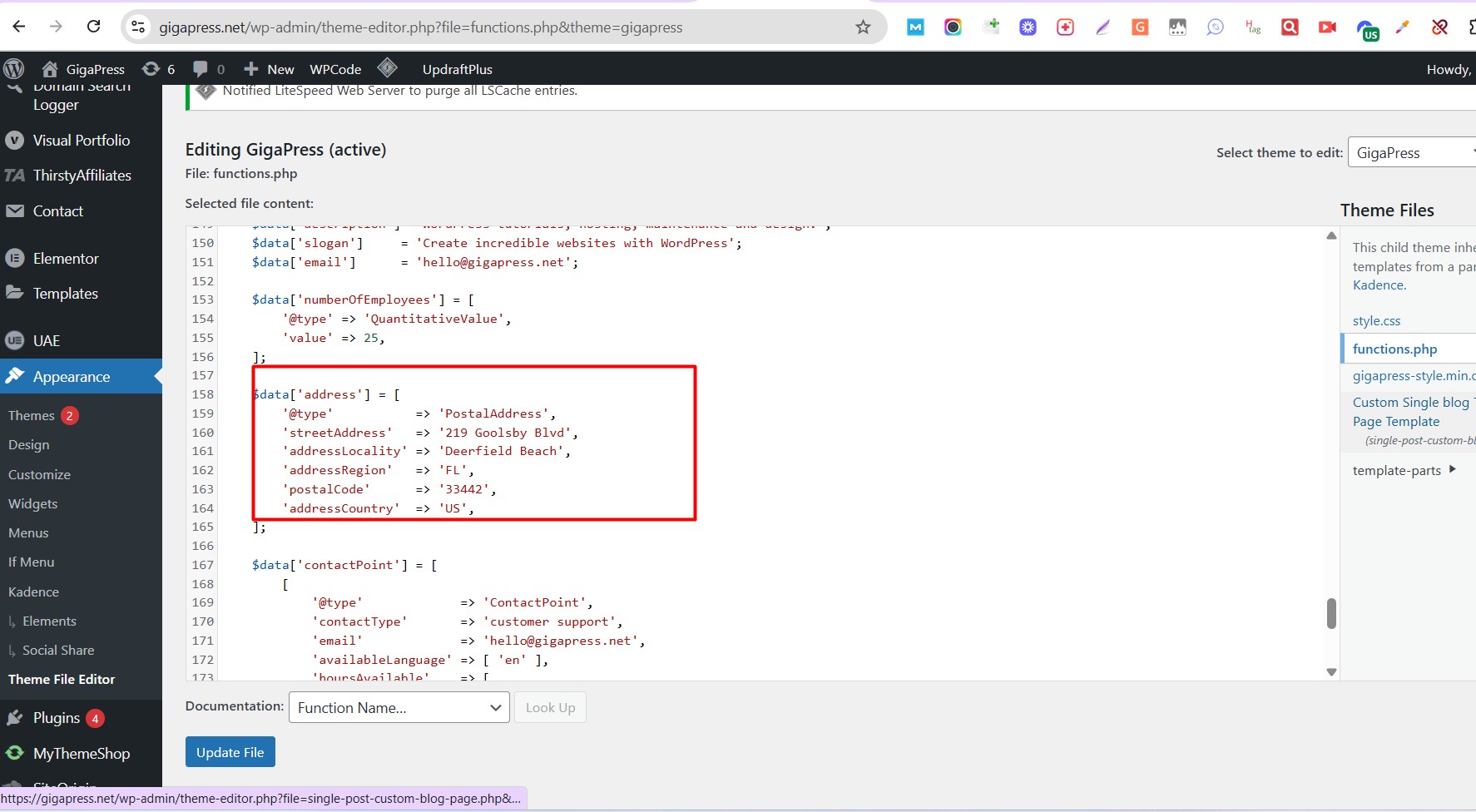
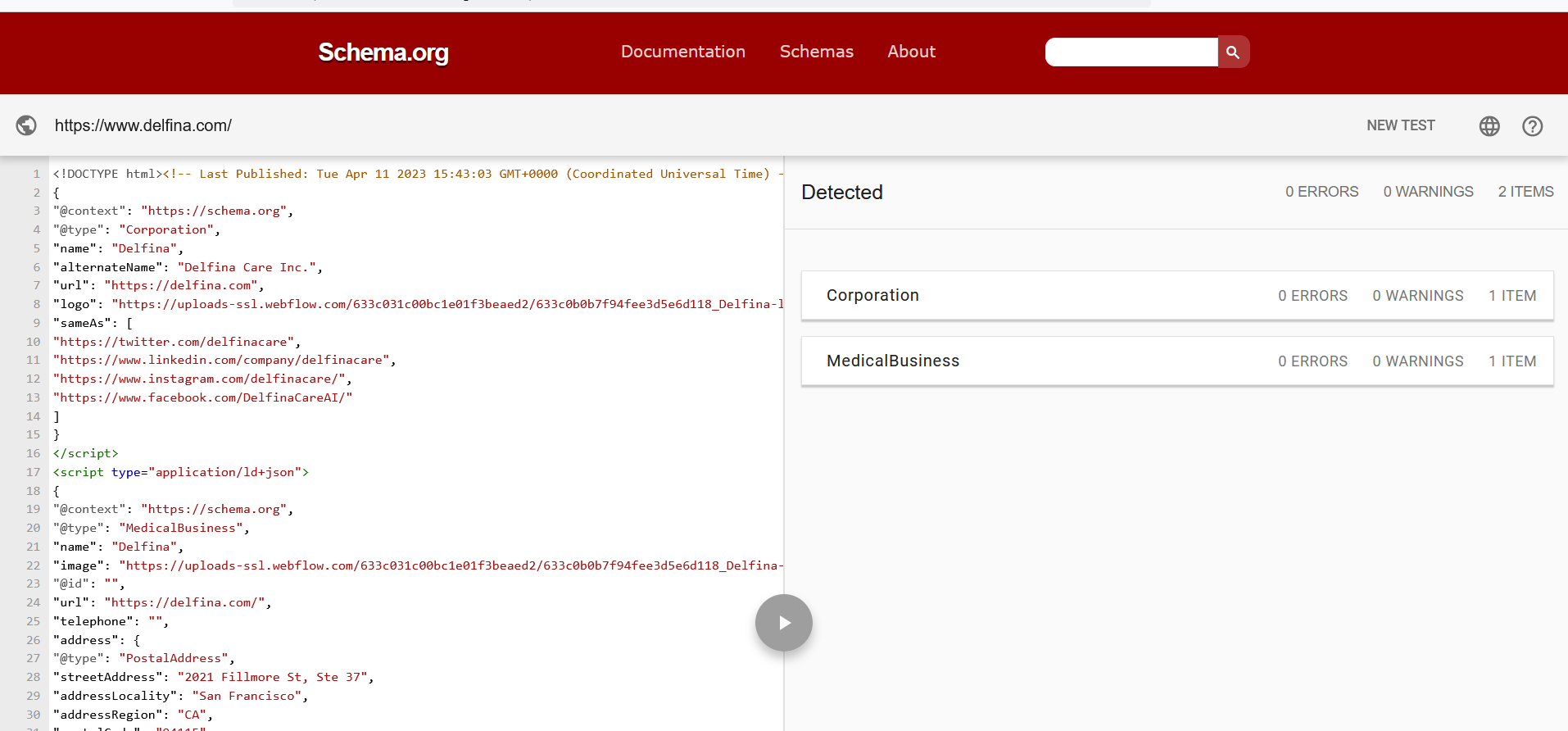
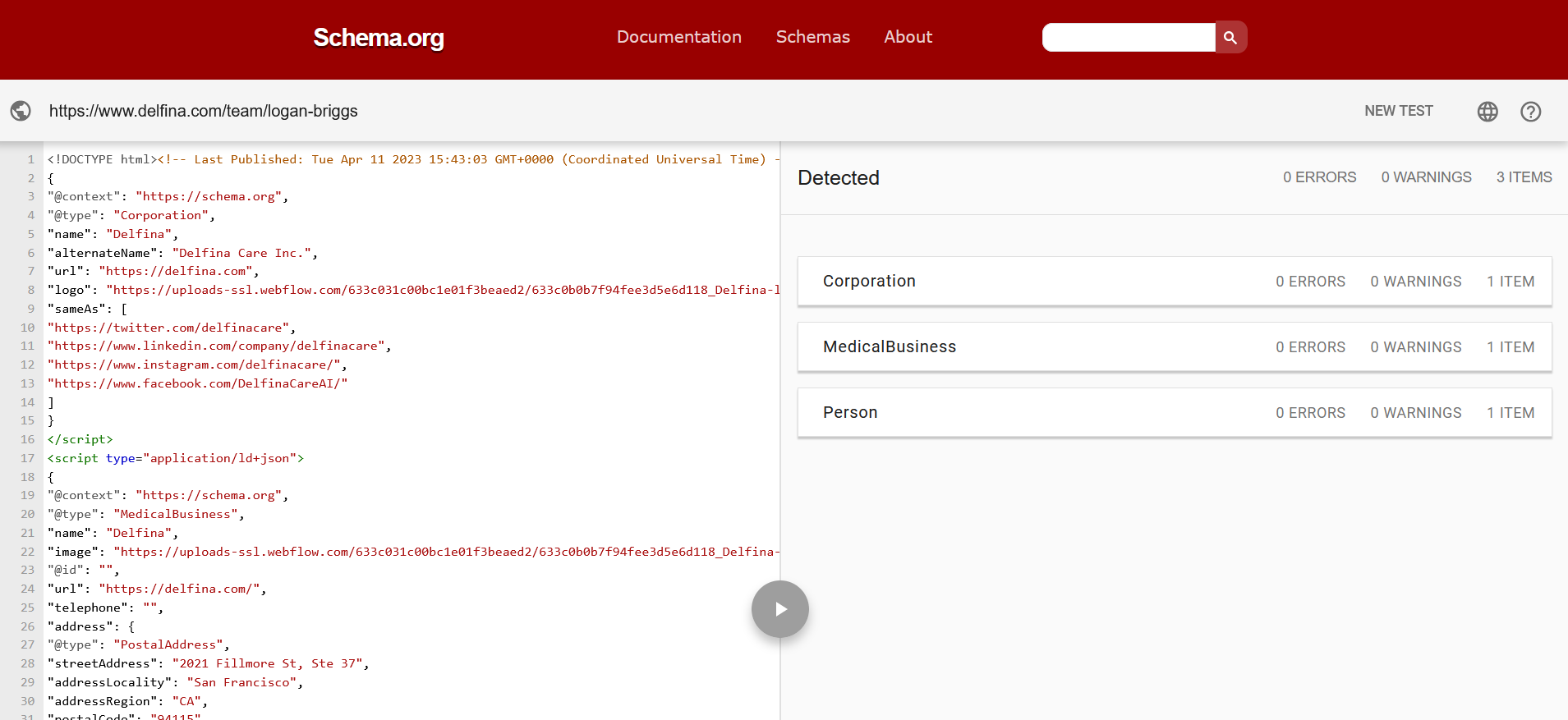
When schema validates cleanly across a site, the pages become eligible for rich results, and search engines understand the content and the brand with far more confidence. That means better-looking listings that earn more clicks, a brand that reads as a real, connected entity, and a site that is ready for the AI-driven search results that lean heavily on structured, trustworthy data.
Schema is one of the few SEO jobs with a clear right answer. Either it validates with zero errors, or it does not. We make sure it does.
Whether your site runs on WordPress, a custom build or a platform like Webflow, we can implement structured data the right way: the correct types, a connected graph, and a clean validation you can check yourself.
We will audit your current schema, show you what is broken or missing, and implement structured data that validates with zero errors. Get a free audit to see where you stand.
Get Your Free Schema AuditTwelve months of SEO grew a B2B SaaS platform from almost no organic traffic to 4,190 clicks and 48,400 impressions.
A ground-up redesign of a gaming and sports platform, with one clear message and an obvious action on every screen, desktop and mobile.
SEO grew an AI chatbot SaaS platform to 14.1K monthly organic visits, over 10,000 keywords and 100K+ backlinks.
16.5K organic clicks and 503K impressions in 12 months, feeding a Shopify store with a $589.98 average order value.
Google Ads management that turned spend into conversions at a low, steady cost per lead.